Creating a Safe Indoor Garden for Your Cat: Plants to Avoid
Bringing greenery into your home can enhance the ambiance and air quality, but for cat owners, it also introduces potential risks. Many popular houseplants contain compounds that can be harmful if ingested or even touched by felines. Understanding which plants pose a threat and how to design a safe indoor garden is essential for maintaining a harmonious environment. This article explores common toxic plants, offers guidance on plant selection, and provides practical strategies for creating a space that prioritizes both aesthetics and cat safety.
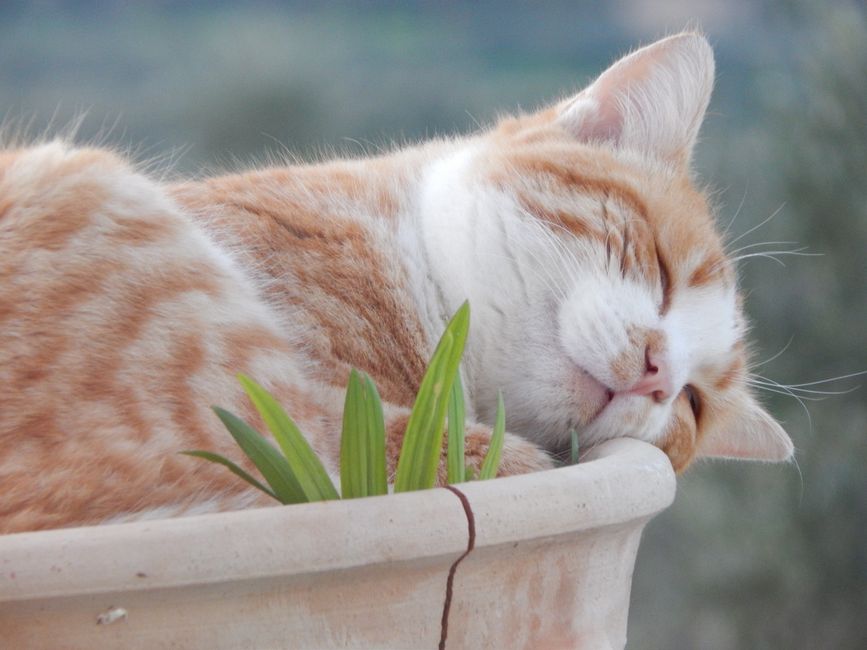
Before diving into specific plants, it’s helpful to understand that cats are naturally curious. They may chew on leaves out of boredom, investigate new textures, or nibble on plants as a dietary supplement. Even non-toxic plants can cause gastrointestinal upset if consumed in large quantities. Therefore, the foundation of a safe indoor garden involves not only choosing the right flora but also implementing measures that discourage unwanted interactions. This guide will focus on plants to avoid and thoughtful approaches to designing an indoor garden that respects feline instincts.
Common Toxic Plants and Their Effects
Numerous common houseplants are toxic to cats, ranging from mild irritants to severe poisons. Lilies are among the most dangerous, as ingestion of any part of the plant, including pollen and vase water, can lead to acute kidney failure. Even a small nibble can be fatal. Other plants, such as sago palm, contain cycasin, which causes severe liver damage. The American Society for the Prevention of Cruelty to Animals (ASPCA) maintains a comprehensive list, but it’s prudent to research any plant before introducing it into a home with cats.
Beyond lilies and sago palm, several commonly grown species are problematic. Aloe vera, often used for its medicinal properties, contains saponins that can cause vomiting, diarrhea, and lethargy in cats. Similarly, dieffenbachia (dumb cane) and philodendron contain calcium oxalate crystals that lead to oral irritation, excessive drooling, and difficulty swallowing. Pothos, a popular trailing plant, falls into the same category. Devil’s ivy, a common name for pothos, is often mistaken for safe, but it is indeed toxic.
Additional plants to steer clear of include asparagus fern, which can cause skin irritation and gastrointestinal upset; certain species of ivy, such as English ivy; and the peace lily, which, despite its name, is not a true lily but still contains oxalates. Chrysanthemums, tulips, and hyacinths are also toxic, with bulbs being particularly dangerous. The effects vary from mild to severe, but none are benign. When selecting plants, it’s vital to consider not only the foliage but also the bulbs, seeds, and flowers, as cats may consume any part.
Recognizing Symptoms of Plant Toxicity
Early recognition of potential poisoning is crucial. Symptoms can manifest within minutes or may take several days to appear. Common signs of plant toxicity in cats include vomiting, diarrhea, drooling, lethargy, loss of appetite, and abnormal behavior. Neurological signs such as tremors or seizures may occur with certain toxins. In some cases, symptoms may be subtle, such as a slight decrease in activity or a change in grooming habits. If a cat is observed chewing on a plant, it’s prudent to monitor for any adverse effects.
Immediate veterinary attention is recommended if a cat exhibits symptoms after suspected ingestion of a toxic plant. Do not induce vomiting without professional guidance, as some plant toxins can cause further damage when regurgitated. Keep a sample of the plant for identification. Mobile apps and online databases can assist in identifying plant species, but they are no substitute for professional advice. The Pet Poison Helpline is another resource that provides expert assistance.
Cat-Safe Plant Alternatives
Fortunately, many beautiful plants are safe for cats. Spider plants, known for their air-purifying qualities, are non-toxic and often appeal to cats because of their arching leaves. Boston ferns add lushness and are safe, though they require high humidity. Areca palms, bamboo palms, and parlor palms are elegant and safe. Calathea species, with their striking foliage patterns, are also cat-friendly. Herbs such as catnip, cat thyme, and valerian can be grown to engage cats naturally.
When choosing safe plants, it’s important to verify the scientific name because common names can be misleading. For instance, the true palm species are safe, but the sago palm is not a palm. Also, ensure that any plant intended for cats is grown without harmful pesticides. Growing a dedicated batch of cat grass (e.g., wheatgrass or oat grass) can satisfy the need to chew while protecting ornamental plants. However, even safe plants can cause mild digestive upset if overeaten.
Designing a Cat-Safe Indoor Garden
Thoughtful design can reduce risks while preserving an aesthetically pleasing space. One strategy is to elevate plants to inaccessible heights using hanging planters or high shelving. Ensure that shelves are stable and that there are no nearby furniture pieces that could serve as launching points for a determined jumper. Another approach is to designate a separate room where plants are kept and doors can be closed when unsupervised.
Physical barriers can also be effective. For example, placing plants in terrariums or glass cases creates a visual and physical separation. For potted plants, covering the soil with decorative stones or aluminum foil may deter digging. Citrus peels or vinegar-based sprays are sometimes used as natural deterrents, but these need regular reapplication and may not work for every cat.
Environmental enrichment is a key component. Providing cat grass, interactive toys, and scratch posts can divert attention from houseplants. Regular play sessions and a stimulating environment can reduce boredom-driven plant chewing. Additionally, training can be employed using positive reinforcement methods, although results vary.
Monitoring and Maintaining a Safe Environment
Even with precautions, a watchful eye is necessary. Periodically inspect plants for signs of damage or chewed leaves. If a cat shows persistent interest, it may be necessary to relocate the plant or reconsider its presence. It’s also wise to keep a list of all plants in the home, along with their toxicity status, and to place emergency contact numbers (veterinarian, poison control) where they are easily accessible.
The concept of a safe indoor garden involves continual evaluation. What works for one cat may not work for another. Regular observation and adaptability are crucial. It’s also important to consider that some cats may develop allergies or sensitivities to certain plants even if they are deemed non-toxic. In such cases, consult a veterinarian.
Remember that each cat is an individual. Preventive measures should be tailored to the pet’s temperament and habits. No plant can be considered completely safe if ingested in large quantities, so supervision is always advised.
Staying informed is an ongoing process. New plant species are introduced to the market regularly, and toxicity information may be updated. Pet owners should check reliable sources, such as the ASPCA’s Poisonous Plants Database, before making new additions to their indoor garden. Furthermore, pet insurance or having an emergency fund for veterinary care can provide peace of mind, but should never replace preventive measures.
Conclusion
Designing an indoor garden that is safe for cats involves awareness, planning, and ongoing management. By avoiding known toxic species and creating an environment that respects feline behavior, it is possible to enjoy the beauty of plants while minimizing risks. While the task may seem daunting, the effort contributes to the well-being of both the plants and the pets. Those who take the time to research and implement these strategies often find that a safe indoor garden is not only achievable but also a rewarding aspect of pet ownership.