How to Properly Groom Your Dog’s Coat: Brushes and Techniques
Grooming your dog’s coat is an essential part of pet care that goes beyond just keeping your dog looking neat. Regular brushing helps maintain the health of the skin and fur, allowing you to spot potential issues like lumps, parasites, or skin irritations early. It also distributes natural oils that keep the coat shiny and provides a bonding experience between you and your pet. However, with the wide variety of brushes and tools available, choosing the right one for your dog’s specific coat type can be overwhelming.
This article aims to demystify the process by explaining different coat types and the brushes best suited for each, along with proper techniques to avoid discomfort and achieve the best results. Whether you have a short-haired Chihuahua or a long-haired Golden Retriever, understanding the fundamentals of coat care can make grooming a pleasant routine for both of you. Remember, every dog is unique, and what works for one may not work for another, so it’s important to observe your dog’s reactions and adapt accordingly.
Understanding Your Dog’s Coat Type
Before selecting a brush, it’s important to identify your dog’s coat type. Dogs generally have one of several coat types: smooth, short-haired coats that lie close to the body (e.g., Beagles, Boxers); double coats with a dense undercoat and a longer topcoat (e.g., German Shepherds, Huskies); long, silky coats that can tangle easily (e.g., Yorkshire Terriers, Shih Tzus); curly or wiry coats that are prone to matting (e.g., Poodles, Terriers). Additionally, there are hairless breeds with delicate skin that require special care.
Each coat type has unique grooming needs that influence the frequency of brushing and the tools used. For example, double-coated breeds shed heavily, especially during seasonal changes, and require tools that can penetrate the undercoat without damaging the topcoat. On the other hand, long-haired breeds need daily attention to prevent mats and tangles from forming. Understanding these characteristics will guide you in choosing the right brush and technique. When in doubt, consulting with a professional groomer or a veterinarian can provide personalized advice based on your dog’s specific needs.
Types of Brushes and Their Uses
There are several types of brushes, each designed for different purposes and coat types. Here is an overview of the most common ones:
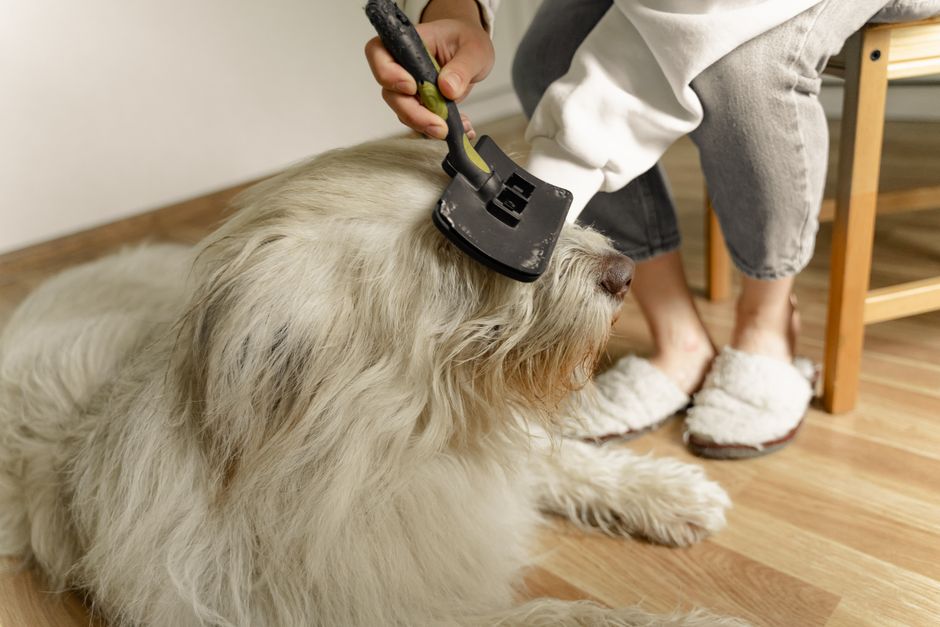
- Slicker brush: A slicker brush has fine, short wires close together on a flat or slightly curved base. It is excellent for removing tangles, mats, and loose fur in medium to long-haired dogs. However, it can irritate sensitive skin if used too aggressively.
- Bristle brush: This brush has natural or synthetic bristles of varying stiffness. It is ideal for short-haired dogs and for adding shine to any coat by distributing oils. A bristle brush can also be used as a finishing brush after using other tools.
- Pin brush: A pin brush resembles a human hairbrush with rounded pins that are spaced out. It works well for long, silky coats and helps detangle without pulling too much. Pin brushes are not suitable for heavily matted fur.
- Undercoat rake: This tool features long, widely spaced teeth that can reach deep into the undercoat. It is specifically designed for double-coated breeds to remove loose undercoat fur, especially during shedding season. Undercoat rakes come in single- or double-sided versions with rotating pins for ease of use.
- De-shedding tool: While similar to an undercoat rake, a de-shedding tool has a blade-like edge that cuts through the topcoat and pulls out loose undercoat hair. It is very effective for heavy shedders but must be used with caution to avoid damaging the skin.
- Rubber brush or curry comb: Made of rubber with nubs or bristles, this brush is gentle and massages the skin. It is suitable for short-haired breeds and helps remove loose hair and stimulate circulation. Rubber brushes can also be used during bathing to lather shampoo.
Choosing the right brush depends on your dog’s coat type and sensitivity. For dogs with sensitive skin, a softer brush with rounded tips may be more appropriate. For thick coats, a sturdy undercoat rake is essential to maintain the coat’s health. It is also worth noting that using the wrong brush can cause discomfort or even damage the coat, so investing in high-quality tools that match your dog’s needs is a worthwhile decision.
Grooming Techniques for Different Coats
Proper technique is just as important as the brush itself. Here are some guidelines tailored to different coat types.
Short, Smooth Coats
Short-coated dogs require minimal grooming, but regular brushing is still beneficial to remove loose hair and keep the skin healthy. Use a rubber curry brush or a bristle brush to gently massage the coat in circular motions. This will pick up loose hair and distribute natural oils, giving the coat a healthy shine. For dogs with sensitive skin, always use a soft touch and avoid pressing too hard. It is generally sufficient to brush these dogs once or twice a week.
Double Coats
Double-coated breeds, such as German Shepherds and Golden Retrievers, have a dense undercoat that sheds heavily twice a year. To manage this, use an undercoat rake or a de-shedding tool designed specifically for this purpose. When brushing, work in the direction of hair growth, starting from the back and moving down the sides. Use gentle, long strokes to avoid pulling the skin. During heavy shedding periods, you may need to brush daily, but outside that time, once a week may be enough. It’s important to be gentle around the tail, ears, and belly, where the skin is thinner.
Long, Silky Coats
Long-haired breeds like Yorkshire Terriers and Shih Tzus require daily brushing to prevent tangles and mats. Begin by gently working through any tangles with your fingers or a wide-toothed comb, then use a pin brush or a slicker brush to go through the entire coat section by section. Holding the hair at the base to reduce pulling, brush from the ends toward the roots, using a gentle motion to prevent breakage. A detangling spray can be helpful, but it’s always advisable to choose products that are safe for dogs. Regular brushing not only prevents mats but also distributes oils that keep the coat shiny.
Curly or Wiry Coats
Curly-coated breeds like Poodles are prone to matting, so regular brushing is essential. Use a slicker brush to gently remove tangles, working in sections and holding the hair to avoid pulling. For wiry coats like those of Terriers, hand-stripping is sometimes preferred, but at home, a slicker brush and a comb are usually suitable. When dealing with mats that can’t be brushed out, it is safer to consult a professional groomer rather than attempting to cut them out yourself, which could harm your dog. These breeds may require grooming every few days to keep their coats in optimal condition.
General Grooming Tips and Best Practices
Regardless of coat type, certain practices ensure a positive grooming experience for both you and your dog. Always brush when your dog is calm and relaxed, and gradually introduce brushing to puppies to help them become accustomed to the sensation. Use positive reinforcement like treats and praise to create a pleasant association. Be consistent with brushing frequency, and adapt it based on your dog’s needs and shed cycles. If your dog shows signs of discomfort, reduce pressure and stop if necessary. Regular grooming sessions also provide an opportunity to check for fleas, ticks, and skin abnormalities, which can be addressed promptly with veterinary care if needed.
Using the correct brush for your dog’s coat is not just about appearance; it is a vital part of maintaining overall health and comfort. Proper grooming can prevent painful mats and skin infections, reduce excessive shedding, and promote a strong bond between you and your dog. As you become more familiar with your dog’s coat and preferences, you can refine your routine and even establish a calming ritual that benefits both of you. There is no universal approach to grooming, so it is important to observe your dog’s reactions and adjust your methods accordingly, always keeping in mind that professional advice is available when needed.