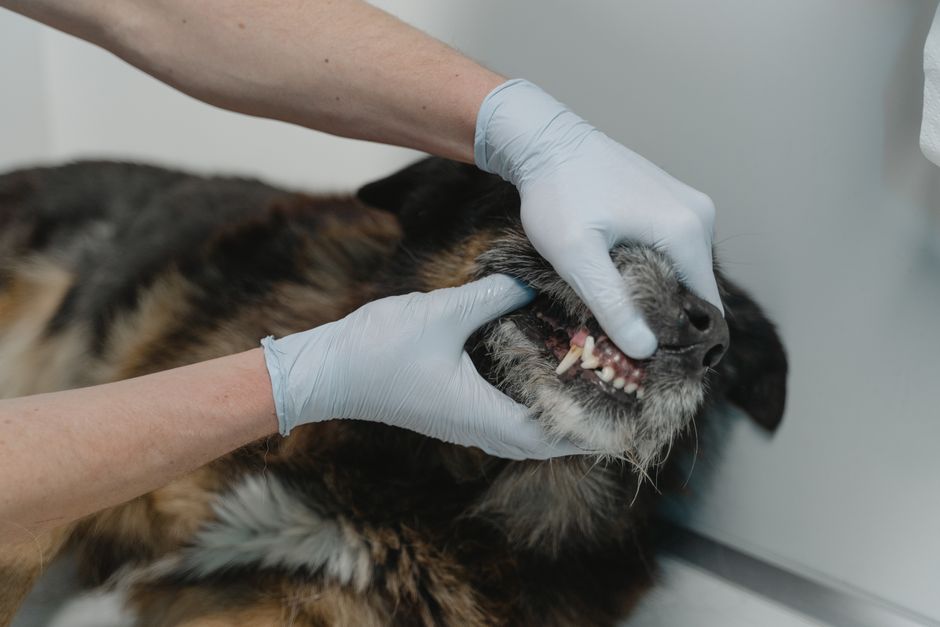
Early Signs of Dental Disease in Dogs and Cats
Dental disease is one of the most common health issues in dogs and cats, yet many pet owners overlook its early signs. Often, the first noticeable symptom is bad breath, which may be dismissed as a normal part of having a pet. However, persistent halitosis can indicate an underlying problem in the mouth. Similarly, the presence of tartar—a hard, brownish deposit—on the teeth and reddened gums are signals that should not be ignored. By recognizing these early indicators, pet owners can take proactive steps to address the condition before it progresses to more painful stages.
This article aims to provide a clear, informative overview of the early signs of dental disease in companion animals. It will cover the physiological processes that lead to plaque and tartar buildup, the behavioral changes that may accompany oral discomfort, and the importance of regular veterinary check-ups. The goal is to equip pet owners with the knowledge needed to maintain their pets’ oral health, emphasizing that consistent care can help prevent the escalation of dental issues.
Understanding the Foundations of Dental Disease
Dental disease typically begins with the accumulation of plaque, a sticky film of bacteria that forms on the teeth. If not removed through regular brushing, plaque mineralizes into tartar, which adheres firmly to the enamel. The presence of tartar creates a rough surface that encourages further plaque accumulation, leading to a cycle of bacterial growth. As the bacteria multiply, they release toxins that irritate the gums, causing inflammation. This condition, known as gingivitis, is reversible with proper care. However, if left untreated, gingivitis can progress to periodontitis, a more severe form of periodontal disease that affects the supporting structures of the teeth, including the bone. Periodontitis is a serious condition that can lead to tooth loss and systemic health issues if bacteria enter the bloodstream.
The progression from plaque to periodontitis is not inevitable, but it is influenced by several factors including diet, genetics, and oral hygiene practices. While some pets may naturally have a higher risk, all pets are susceptible. Therefore, understanding the early signs is crucial for timely intervention. It is also important to note that dental disease is often painful for animals, but they may not show obvious signs of pain due to their survival instincts. This subtlety makes regular oral examinations by a veterinarian essential.
Recognizing the Warning Signs
While bad breath, tartar, and red gums are the most apparent signs, there are other indicators that pet owners should watch for. Changes in eating habits, such as dropping food, chewing on one side of the mouth, or refusing dry food in favor of softer options, may signal oral discomfort. Similarly, excessive drooling or drooling with blood-tinged saliva can be a sign of dental issues. Pets may also paw at their mouths or rub their faces against furniture to alleviate discomfort. Behavioral changes, such as increased irritability or reluctance to have their heads touched, might also be evident.
It is essential to remember that not all signs are visible to the naked eye. Some dental problems, such as tooth resorption in cats or fractured teeth in dogs, may cause significant pain without obvious external symptoms. Regular veterinary check-ups are the most reliable way to detect these hidden conditions. A veterinarian can perform a thorough oral examination under anesthesia if necessary, taking dental X-rays to assess the health of the tooth roots and bone.
Proactive Measures for Dental Health
Maintaining good oral hygiene is the cornerstone of preventing dental disease. The most effective method is regular brushing with a pet-safe toothpaste. Ideally, brushing should be done daily, but even a few times a week can make a difference. It is important to introduce brushing gradually to your pet, associating it with positive reinforcement. For pets that resist brushing, there are alternatives such as dental chews, toys, and water additives that can help reduce plaque. However, these products should complement, not replace, brushing and professional care.
Diet also plays a role in oral health. Some veterinary-approved dental diets are specifically designed to reduce plaque and tartar. These foods have a special texture that encourages chewing, which mechanically cleans the teeth. While these diets can be beneficial, they are not a substitute for brushing. Regular professional dental cleanings under anesthesia are also necessary to remove tartar that cannot be brushed away. During these cleanings, a veterinarian will also assess the overall health of the mouth.
The Role of Regular Veterinary Visits
It is recommended that pets have a comprehensive dental examination at least once a year. During these visits, a veterinarian will look for signs of dental disease, such as tartar buildup, gum inflammation, and loose teeth. They may also recommend additional dental procedures based on their findings. Early detection allows for less invasive treatments and reduces the risk of complications. For senior pets or those with known dental issues, more frequent visits may be warranted.
Veterinarians can also provide guidance on home care routines tailored to your pet’s specific needs. For instance, they may suggest particular types of dental chews or demonstrate effective brushing techniques. They can also help you recognize the subtle signs of oral discomfort, ensuring that you are more attuned to changes in your pet’s behavior.
Promoting Lifelong Oral Wellness
Integrating dental care into your pet’s regular routine can prevent a great deal of pain and suffering. The earlier a problem is identified, the better the outcome. By being vigilant about the signs and maintaining open communication with your veterinarian, you can ensure that your pet’s teeth and gums remain in good condition. It is also beneficial to educate yourself about the specific oral health risks that different breeds, sizes, and ages may have. For example, small dog breeds often experience dental issues earlier in life due to crowded teeth.
In addition to professional care, consistent home monitoring and care are vital components of a comprehensive dental health plan. Regularly checking your pet’s mouth weekly can help you notice any changes in breath, gum color, or tooth condition. When introducing new dental products, it is wise to look for those that have been certified by veterinary organizations, as these have been tested for safety and efficacy.
While the thought of dental disease can be concerning, it is largely preventable with the right approach. By combining professional guidance with daily diligence, you can give your pet the best chance at a healthy, comfortable mouth. Remember, any changes in your pet’s oral health should be promptly discussed with your veterinarian, who can offer personalized recommendations based on your pet’s unique situation.