Puppies explore the world with their mouths, much like human infants use their hands. This natural behavior helps them learn about their environment, but when playful nipping escalates into persistent biting, it can become a concern for owners. Understanding why puppies bite and how to address it through consistent, gentle training is essential for fostering a harmonious relationship. This article explores practical techniques rooted in positive reinforcement and behavioral science to guide your puppy toward appropriate mouth behavior.
House training often focuses on bathroom habits, but it also encompasses teaching acceptable social behaviors, including bite inhibition. Bite inhibition is the ability of a dog to control the force of its bite, which is crucial for safe interactions with humans and other animals. By approaching training with patience and a clear methodology, you can help your puppy develop self-control and good manners without resorting to punishment-based methods that can damage trust and lead to fear-related issues.
The techniques discussed here are based on widely accepted canine learning principles and are designed to be implemented step by step. Every puppy is an individual with a unique temperament and learning pace, so outcomes may vary. Success depends on consistency, timing, and a supportive environment. It is always recommended to consult with a professional veterinarian or certified dog trainer if biting persists or concerns arise.
Understanding the Roots of Puppy Biting
To effectively address biting, it is important to recognize that this behavior is a normal part of puppy development. Puppies use their mouths to investigate objects, play with littermates, and communicate discomfort or overstimulation. During play, they learn to moderate their bite force through feedback from their siblings and mother. When separated from their litter, they must learn these skills within a human household.
Teething is another contributing factor. Between three and six months of age, puppies lose their baby teeth and experience discomfort as adult teeth emerge. Chewing and biting help alleviate gum pain. Providing appropriate chew toys during this phase can redirect their urge to chew onto acceptable items, reducing the likelihood of them targeting hands or furniture.
Additionally, biting can be a sign of overexcitement or a lack of impulse control. Puppies have high energy levels and short attention spans, and they may not yet know how to express their feelings appropriately. Recognizing the context of biting—whether it occurs during play, when the puppy is tired, or when it wants attention—can inform the most suitable training response.
An approach that considers the underlying causes of biting enables owners to implement strategies with empathy and precision. Rather than viewing the behavior as a problem to be eliminated, it is more constructive to see it as a natural phase that requires guidance and redirection. This perspective aligns with positive reinforcement principles and helps build a strong, trusting bond.
Foundational Training Techniques
One cornerstone of bite inhibition training is to mimic the feedback a puppy would receive during play with other dogs. When a puppy bites too hard, a sharp yelp or a high-pitched “ouch” can signal that it hurt you. Immediately following the sound, cease interaction for a short period, perhaps 10 to 20 seconds, by turning away or leaving the play area. This teaches the puppy that rough biting leads to the end of fun—a natural consequence that encourages gentler behavior.
Consistency is vital. Every family member must respond in the same manner to biting incidents. If some people allow mouthing while others correct it, the puppy will receive mixed signals, making the learning process more difficult. Clear and predictable responses help the puppy understand the rules across all contexts.
Positive reinforcement is a powerful tool. Reward your puppy with treats, praise, or play whenever it makes gentle contact with your hands or stops biting when asked. Reinforcing the desired behavior increases its frequency. For example, during play, if your puppy licks your hand instead of biting, immediately praise and offer a treat. This teaches the connection between gentle mouth behaviors and positive outcomes.
Redirection is another effective technique. Keep a variety of chew toys readily available. When your puppy begins to mouth your hand, calmly offer an appropriate chew item instead. This not only prevents unwanted biting but also satisfies the puppy’s natural need to chew, especially during teething. If the puppy continues to go for your hand, you may need to pause play and give a brief time-out in a quiet area to allow it to settle down.
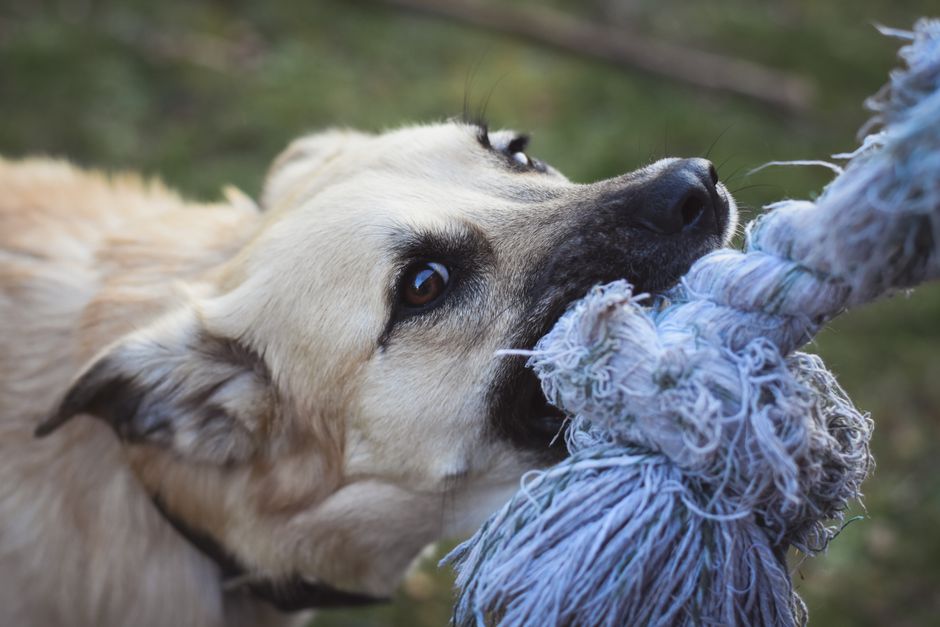
Time-outs should be implemented without anger. Placing the puppy in a safe, boring space for one to two minutes is often enough to break the cycle of overexcitement. It is not a punishment but rather a way to help the puppy calm down and refocus. After the time-out, you can resume interaction with structured activities that encourage appropriate play, such as fetch or tug games using a toy rather than your body.
Gradually, you can increase the criteria for gentle play. As your puppy learns to inhibit the force of its bite, you can respond only to softer bites, encouraging even more control. This shaping process should be paced according to the puppy’s progress, always aiming for success and positive interactions.
Implementing a Structured Routine
Training consistency is enhanced by a structured daily routine. Regular schedules for feeding, playtime, rest, and training sessions help puppies learn expectations and reduce anxiety, which can be a trigger for unwanted mouthing. Adequate physical exercise and mental stimulation are essential to expend excess energy that might otherwise be channeled into biting. A tired puppy is generally less mouthy.
Mental stimulation through puzzle toys, basic obedience training, and social encounters also helps develop impulse control. Teaching simple commands like “sit,” “stay,” and “leave it” provides a framework for communication and reinforces your role as a calm leader. These sessions should be short, positive, and end on a high note to keep your puppy engaged.
When introducing your puppy to new people and other dogs, do so gradually. Arrange controlled playdates with vaccinated, well-mannered adult dogs, which can model appropriate social behavior. Observing older dogs respond to rough play teaches puppies boundary setting naturally. Always supervise interactions to ensure safety and to intervene if needed.
Crate training can also play a role in managing biting episodes. A crate used correctly serves as a den where the puppy can retreat to calm down and rest. It is not a form of punishment. Encouraging your puppy to rest in its crate after active play gives it an opportunity to relax, reducing overstimulation and the likelihood of biting from excitement.
During the training process, it is important to monitor your own behavior. Avoid playing rough games that encourage ambushing or biting hands, such as wrestling or waving your fingers in front of the puppy’s face. These actions inadvertently teach that biting humans is acceptable. Instead, opt for games that keep your hands away from the mouth, like fetch or using a flirt pole.
Remember that biting is not resolved overnight. It is a gradual process that requires patience. Celebrating small milestones, such as decreased bite pressure or more frequent gentle interactions, can help maintain motivation. Each positive experience reinforces the training foundations you are building.
Navigating Developmental Challenges
Puppy biting may intensify during certain developmental stages, such as the adolescent period, which occurs between six and twelve months. Hormonal changes and increased confidence can lead to testing boundaries. Continue to apply the same training techniques with consistency, adjusting your approach to the puppy’s growing maturity.
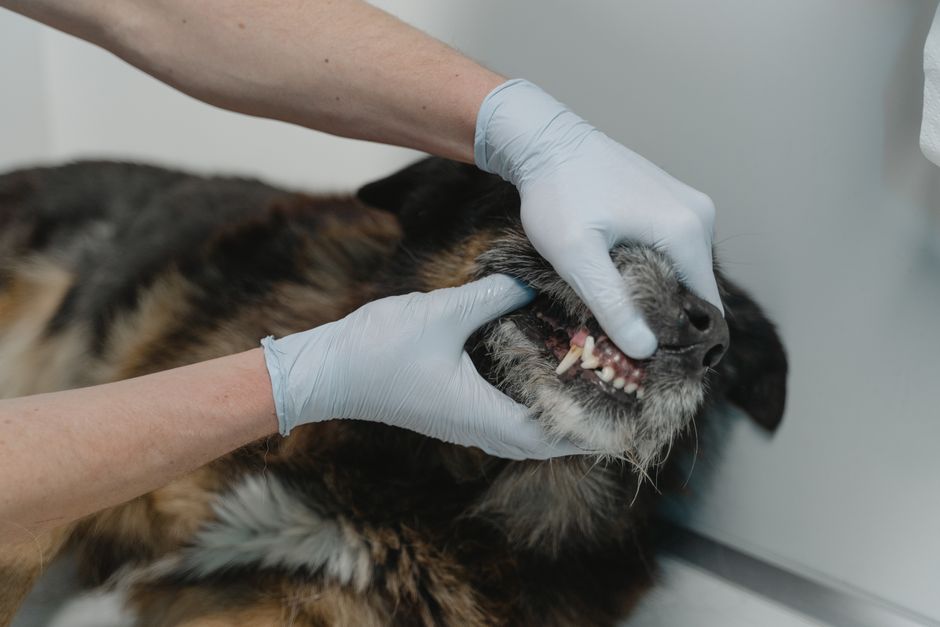
If you encounter setbacks, reassess the situation. Have there been changes in the household that may cause stress? Is the puppy getting enough rest and exercise? Sometimes, behavioral issues stem from underlying medical problems, so a veterinary checkup is advisable if biting becomes uncharacteristically intense or destructive. Professional help from a certified trainer or behavior consultant may also be beneficial in particularly challenging cases.
Every interaction is a training opportunity. By remaining calm and consistent, you demonstrate leadership and teach your puppy that trust and respect are fundamental. Positive reinforcement methods not only address biting but also enhance your dog’s overall learning capacity and emotional well-being.
As your puppy matures into an adult dog, the mouthing behavior typically subsides, especially if earlier training has laid a foundation of good manners. However, some dogs may retain a tendency to mouth when stressed or excited. Continuing to reinforce gentle behavior throughout the dog’s life will help maintain these skills.
In conclusion, stopping puppy biting involves understanding the root causes, implementing consistent positive training techniques, and integrating them into a structured routine. Each puppy learns at its own pace, so flexibility and patience are key. Training is an ongoing process that strengthens your bond and ensures a harmonious household.