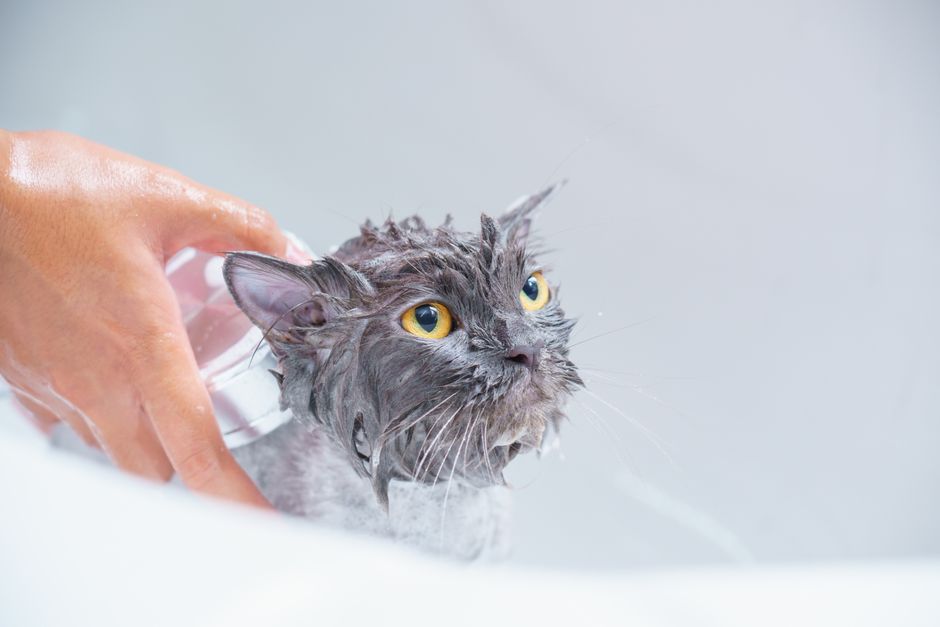
Bathing Your Cat: Tips for a Stress-Free Experience
Bathing a cat can be a daunting task for many pet owners. Cats are known for their aversion to water, and their sharp claws and quick movements can make the process challenging. However, with proper preparation, the right products, and a calm approach, you can bathe your cat safely and minimize stress for both of you. This guide provides a step-by-step process, from pre-bath preparations to post-bath drying, to help you navigate this essential aspect of feline care.
Understanding why cats dislike water is the first step. Most domestic cats have a natural aversion to water, which may stem from their evolutionary history in dry environments and their coat’s lack of natural waterproofing. Additionally, water can make them feel heavy and restrict their movement, triggering a sense of vulnerability. By respecting these instincts and using gentle, positive methods, you can help your cat feel more at ease during bath time.
Before you begin, it’s crucial to assess whether a bath is truly necessary. Cats are meticulous groomers and usually keep themselves clean. Bathing may be required for specific reasons, such as flea infestations, skin conditions, or when they get into something sticky or toxic. In these cases, a thorough yet gentle bath is essential. Always consult with your veterinarian if you are unsure about the need or frequency of baths for your cat.
Pre-Bath Preparation
Thorough preparation can significantly reduce stress during bath time. Start by gathering all necessary supplies and placing them within easy reach. You will need a cat-specific shampoo, several towels, a non-slip mat or towel for the sink or tub, a cup or handheld sprayer, and cotton balls to protect the ears. Ensure the bathroom is warm and free of drafts, as cats can easily become chilled.
Trimming your cat’s nails a day or two before the bath can prevent scratches. If you are not comfortable trimming nails, a quick session with a scratching post or a nail grinder can help dull them temporarily. Brushing your cat thoroughly before the bath is also beneficial, as it removes loose fur and tangles, which can become matted when wet. This also gives your cat time to calm down after grooming.
It’s advisable to have a helper if possible. One person can gently restrain the cat while the other handles the washing and rinsing. If you’re alone, you can use a secure harness or have your cat in a room where you can close the door. Additionally, fill the sink or tub with about 3-4 inches of lukewarm water before bringing the cat in. The sound of running water can be frightening, so having the water ready beforehand minimizes noise and commotion.
Choosing the Right Products
Selecting the correct shampoo is vital for your cat’s skin health. Human shampoos have a different pH balance and can irritate a cat’s skin, so always use a shampoo specifically formulated for cats. Look for pH-balanced formulas that are gentle and free of harsh chemicals. If your cat has sensitive skin, consider hypoallergenic options or oatmeal-based shampoos that soothe irritation.
Medicated shampoos may be necessary for certain conditions, but they should only be used under veterinary guidance. For flea control, you might need a shampoo with insecticidal properties, but again, consult your vet to ensure it’s safe for your cat’s age and health. Avoid any product that contains essential oils or artificial fragrances, as they can be toxic or cause allergic reactions.
Also, have a cup or a gentle sprayer for rinsing. While some cats may tolerate a handheld sprayer at low pressure, others are more comfortable with pouring water from a cup. Use a washcloth for the face, as it allows for more control and prevents water from entering the eyes, ears, and nose. Cotton balls placed gently in the ears can prevent water from getting inside.
Bathing Techniques for a Calm Cat
When you’re ready to bathe your cat, maintain a calm and reassuring demeanor. Speak in soft, soothing tones and move slowly to avoid startling your pet. Place the cat gently into the water, supporting its body with one hand under the chest. Allow the cat to stand or lie down, but never force it into a position that seems uncomfortable.
Using the cup or sprayer, wet the cat’s fur starting from the neck and working downward. Avoid spraying water directly at the face; instead, use a damp washcloth to clean the head area. Once the fur is thoroughly wet, apply the shampoo according to the label instructions. Lather gently, massaging in a circular motion, but avoid vigorous scrubbing that might tangle the fur. Pay special attention to areas that are dirty or greasy, such as the chin and the base of the tail.
Rinsing is a critical step where many baths become stressful. Ensure all traces of shampoo are completely removed, as residue can cause itching and irritation. Use clean lukewarm water and continue rinsing until the water runs clear. During the rinse, watch for signs of distress, such as hissing, growling, or attempts to escape. If your cat becomes overly agitated, pause and allow it to calm down before continuing. The goal is to be thorough but also compassionate.
While washing your cat, you may need to gently restrain it to prevent sudden movements. One effective technique is to place a towel at the bottom of the tub to provide traction and a sense of security. Another is to hold the cat by the scruff of the neck, mimicking how a mother cat carries her kittens, which often has a calming effect. However, this should be done gently and only if necessary.
Patience is key. Do not rush the process; a relaxed cat is easier to handle than a panicked one.
Drying Your Cat Properly
After a thorough rinse, immediately wrap your cat in a large, absorbent towel to absorb excess water. Avoid rubbing vigorously, as this can cause tangles and stress; instead, gently pat and squeeze the fur. Many cats find the sound of a hair dryer terrifying, so it is usually best to avoid using one. If you must use a dryer, choose the lowest heat and speed settings, keep it at a safe distance, and introduce it gradually while offering treats.
If your cat tolerates it, you can place it in a warm, draft-free room to air dry. However, ensure the cat stays in a confined space until it is completely dry, as a damp cat can easily become chilled. Provide a cozy bed with soft blankets and perhaps a warm water bottle wrapped in a towel for extra warmth. During the drying process, continue to speak calmly and offer praise or treats to reinforce a positive association.
Brushing your cat’s fur after it is mostly dry can help remove loose hair and prevent mats from forming. Use a brush suitable for your cat’s coat type, and be gentle around sensitive areas. This post-bath grooming session can also be a bonding opportunity, as it mimics grooming behaviors cats perform socially.
Post-Bath Care and Considerations
Once your cat is dry, inspect its skin and coat for any signs of irritation, redness, or leftover shampoo residue. If you notice anything unusual, rinse the area with clean water and contact your veterinarian if the irritation persists. Also, clean any bathing supplies thoroughly to prevent the spread of bacteria or fungi from the previous bath.
It is normal for some cats to be upset after a bath, and they may groom themselves excessively to remove unfamiliar scents. This is a natural behavior, so allow your cat time to re-establish its scent. You can also offer a favorite treat or a play session to help rebuild trust. Remember that each bath is an experience that your cat will associate with you, so maintaining patience and positivity is essential for future baths.
However, not all cats need regular baths. In many cases, occasional baths are sufficient, and over-bathing can strip the coat of natural oils, leading to dry skin. Always monitor your cat’s grooming habits and consult with your vet about an appropriate bathing schedule based on your cat’s health and lifestyle. If your cat has skin conditions like dermatitis, your vet may recommend special bathing routines or medicated shampoos.
In conclusion, bathing your cat is a manageable task when approached with knowledge and care. By preparing adequately, using safe products, and employing gentle techniques, you can reduce stress for both you and your feline companion. With time and practice, you may find that your cat becomes more tolerant, or even accepting, of this necessary part of pet care.